All Mag-Bind® kits can be automated on most programmable robotic platforms, liquid handlers or magnetic processors. Learn more.
Off-the-shelf product doesn’t suit your needs? We’ll work with you to develop a customized product. Learn more.
Dedicated applications support will consult with you to develop and implement an automated solution that fits your specifications. Learn more.
Scripts available for all Mag-Bind® Kits for most open liquid handlers and common magnetic processors including the MagBinder® Fit24. Visit Automated Solutions for more information.
Mag-Bind® FFPE DNA/RNA 96 Kit is designed for the sequential isolation of DNA and RNA in separate eluates from the same formalin-fixed, paraffin-embedded (FFPE) tissue sample. The purification of DNA and RNA from the same sample enables a more comprehensive analysis from a precious sample source. The protocol utilizes a specially formulated buffer system that not only partially reverses the formaldehyde-induced crosslinking but also ensures DNA and RNA are differentially purified with no cross-contamination. The kit can also be used for purification of only DNA or only RNA from FFPE samples if sequential isolation is not desired. Magnetic bead-based extraction makes it suitable for both manual as well as automated processing. Purified DNA and RNA are suitable for a variety of downstream applications including SNP analysis, next generation sequencing, and genotyping.
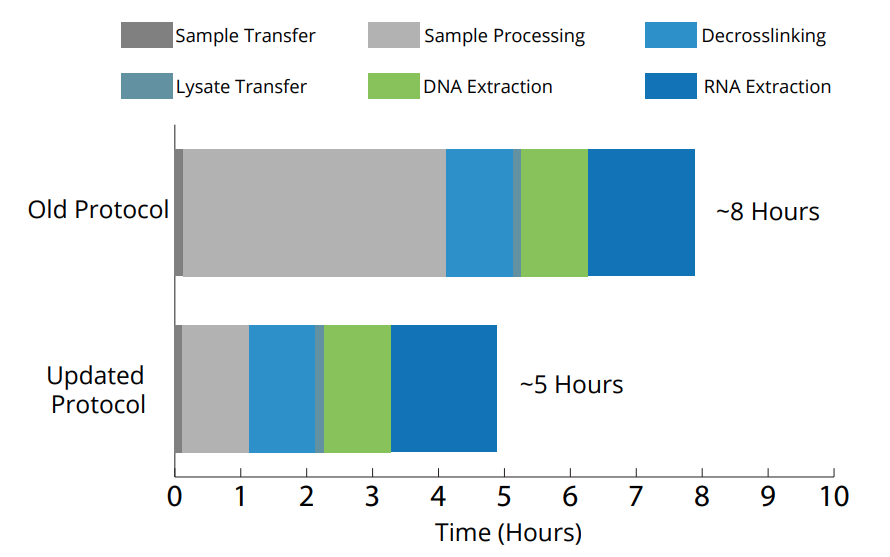
The Mag-Bind® FFPE DNA/RNA 96 Kit integrates a unique buffer system with the highly efficient binding properties of Mag-Bind® technology to isolate total DNA and RNA in separate eluates from the same FFPE sample. The protocol utilizes non-toxic mineral oil in combination with heat for efficient deparaffinization of the FFPE sample eliminating the use of hazardous xylene.
Samples are first lysed in FDR Buffer aided by the presence of Proteinase K enzyme. The lysate is then heated to denature the proteinase and reverse the chemical crosslinking of the nucleic acids. Post-heating, the lysate is mixed with MB4 Buffer and Mag-Bind® Particles CH to bind DNA to the particles. The RNA-containing supernatant is saved and a second binding step is completed with addition of isopropanol to bind RNA to the Mag-Bind® Particles CH. This results in separation of DNA and RNA into two fractions. Mag-Bind® Particles bound to DNA and RNA are individually washed and nucleic acids are eluted in two different tubes for further analyses. Only DNA or RNA can be isolated following the appropriate protocols outlined in the manual.
Important:
1. If automating this procedure on a liquid handler or a magnetic processor, please contact your Omega Bio-tek representative for instrument-specific instructions. 2. This kit includes enough reagents for the specified number of preparations plus at least an additional 10% overage to ensure there is sufficient volume. Please be aware that the actual number of preparations may be lower due to pre-aliquoting of reagents, processing partial plates, and automation platform used etc. Additional reagents are available for purchase separately.
For Research Use Only. Not for use in diagnostic procedures.
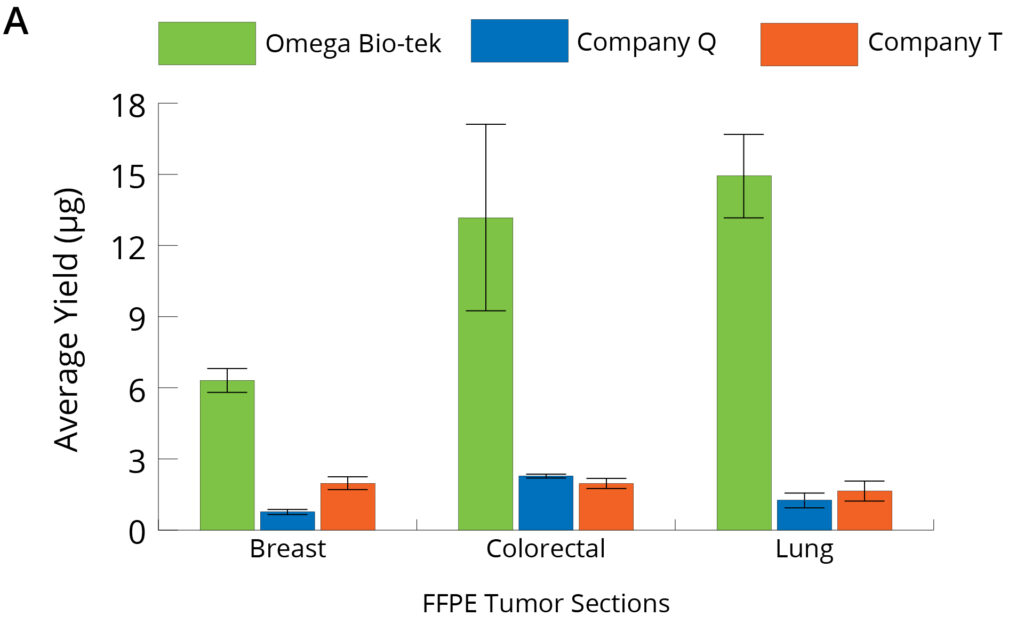
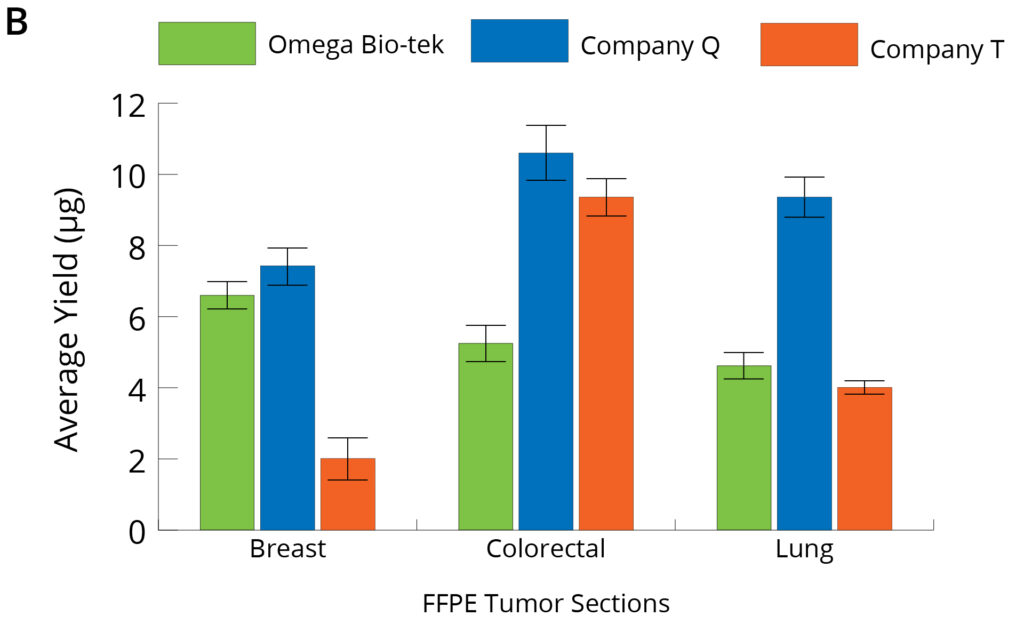
Average DNA Yields from Different FFPE Tumor Samples
Figure 1. Genomic DNA and RNA were sequentially isolated from the 3 × 10 μm sections of the same FFPE tumor tissue block (n=5) using Omega Bio-tek’s Mag-Bind® FFPE DNA/RNA 96 Kit and comparable kits from Company T and Company Q following manufacturer’s recommended protocols. Purified DNA and RNA were quantified using TapeStation Analysis. RNA recovery (A) was significantly higher with Omega Bio-tek’s kit for all the samples tested compared to kits from Company Q and Company T. DNA yield (B) was comparable or better vs Company T and comparable for 1 sample vs Company Q.
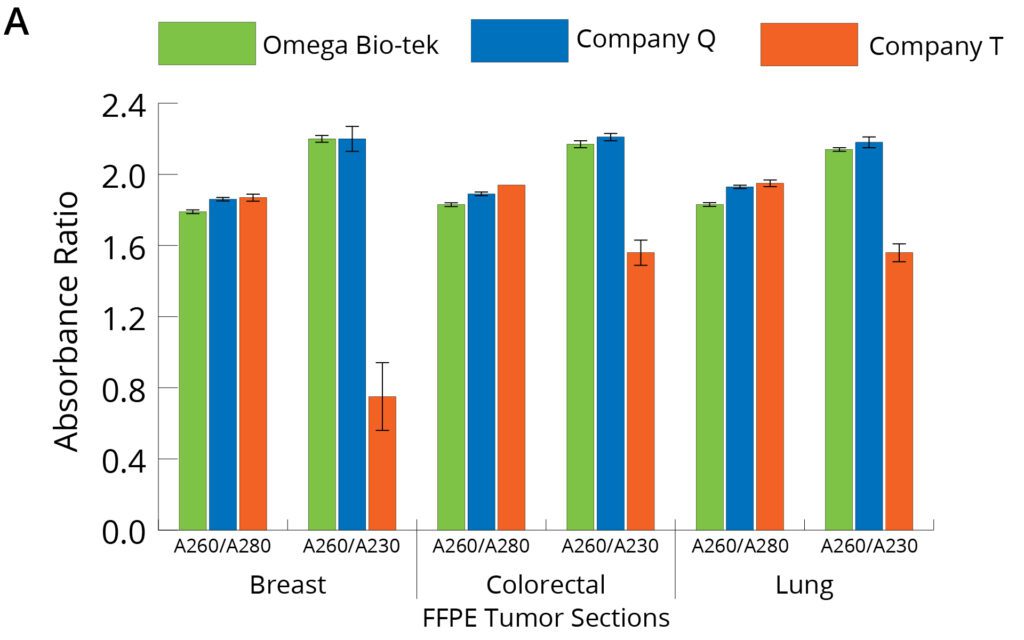
DNA and RNA Purity from Different FFPE Tumor Samples
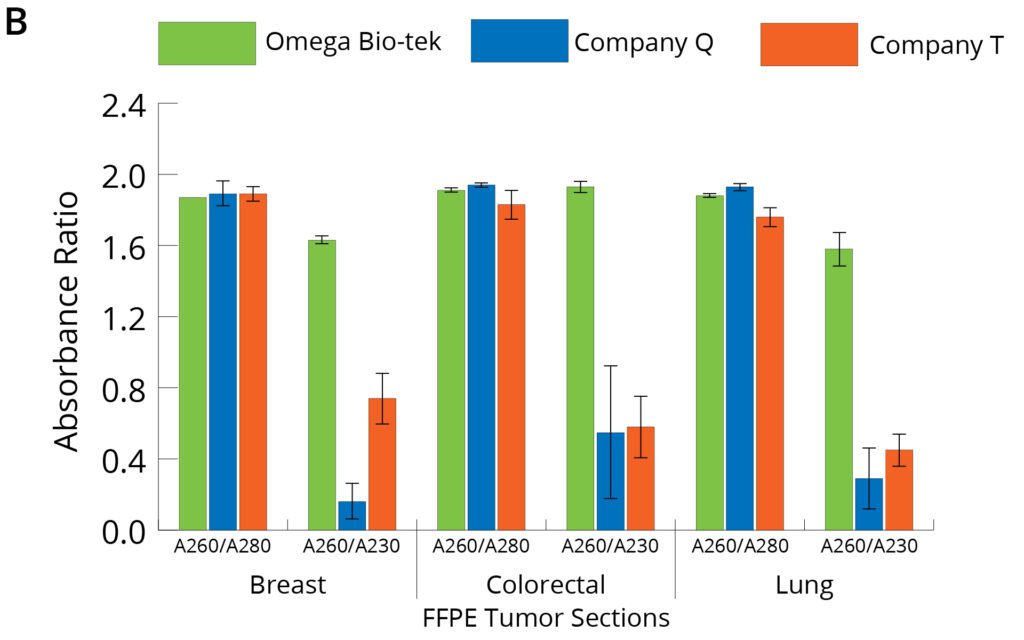
Figure 2. Purity of DNA (A) and RNA (B) isolated using different manufacturer’s kits was analyzed through spectrophotometry focusing on A260/A280 and A260/A230 ratios.
Compatibility with Different Deparaffinization Agents
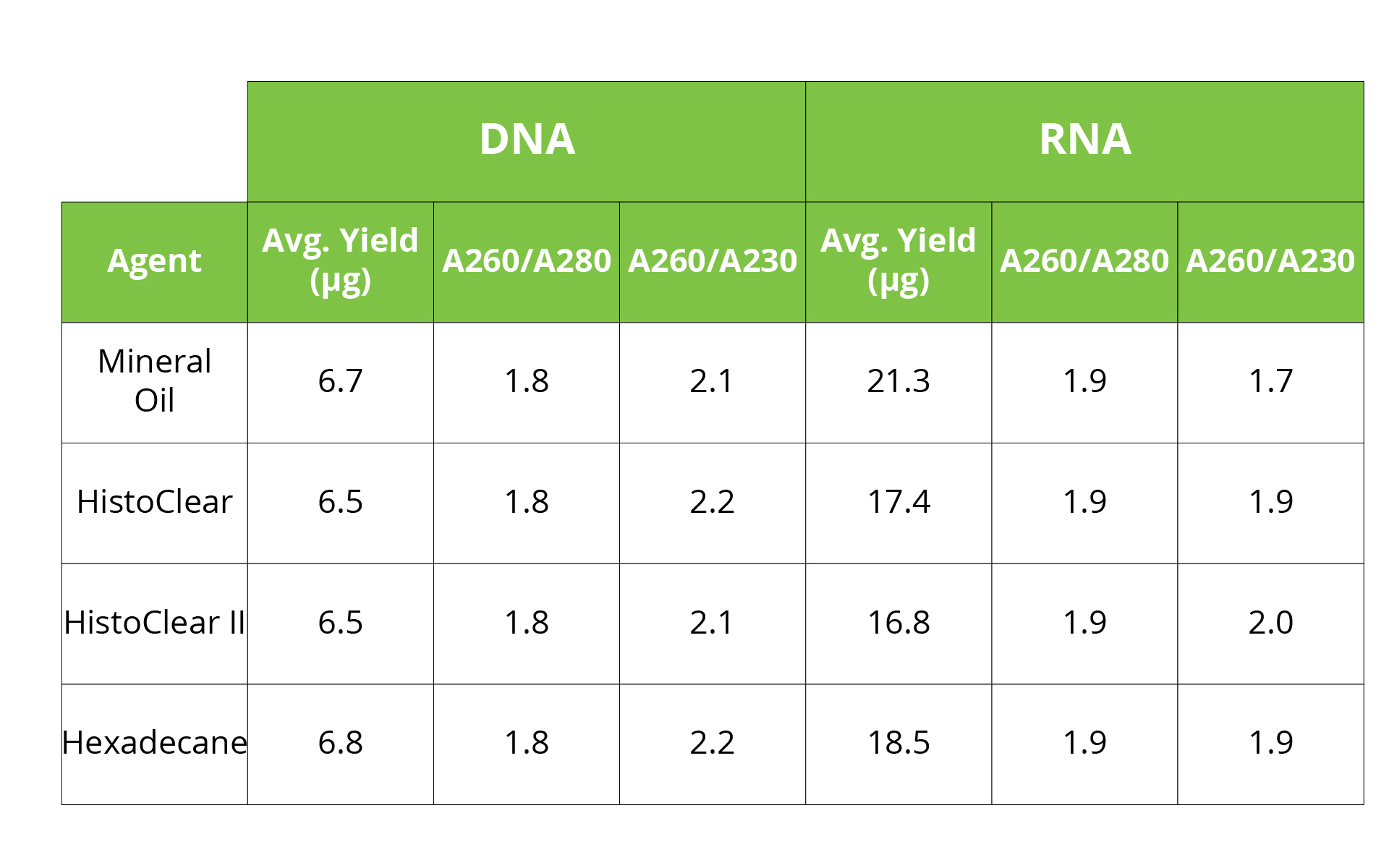
Table 1. The compatibility of Omega Bio-tek’s Mag-Bind® FFPE DNA/RNA Kit with different deparaffinization agents was analyzed using the NanoDrop® 2000c. Yields and qualities (A260/A280 and A260/A230 ratios) were comparable among all deparaffinization agents tested.
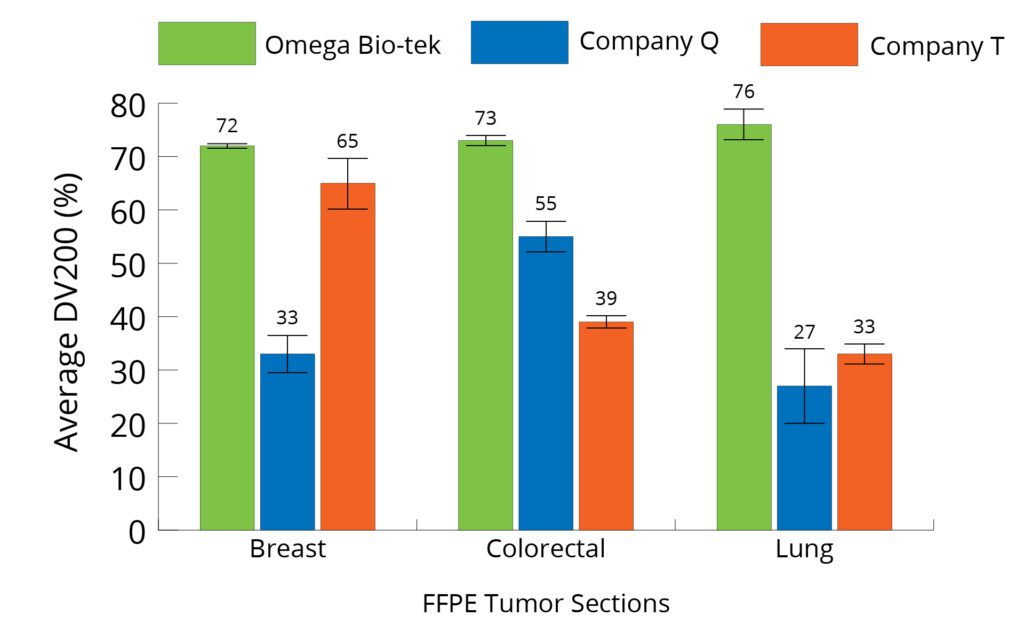
DV200 Analysis of RNA Quality from Different FFPE Tumor Samples
Figure 3. Average DV200 value (percentage of fragments >200 nt) of RNA purified using different kits analyzed on Agilent’s TapeStation® 2200. Omega Bio-tek’s kit resulted in high-quality RNA with higher DV200 than the competitor’s kits.
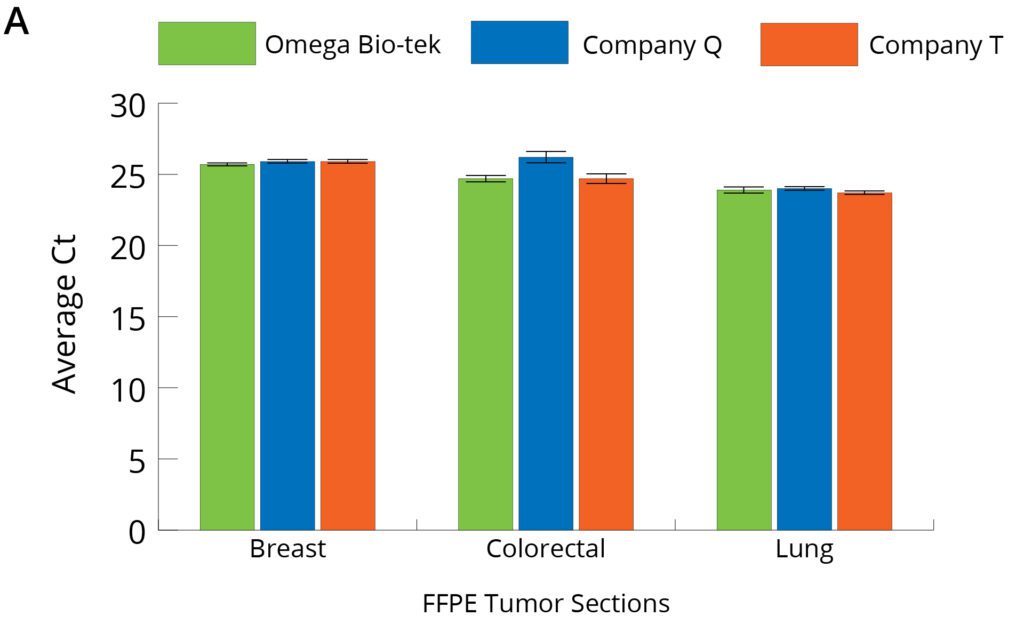
PCR Analysis of DNA and RNA Extracted from Different FFPE Tumor Samples
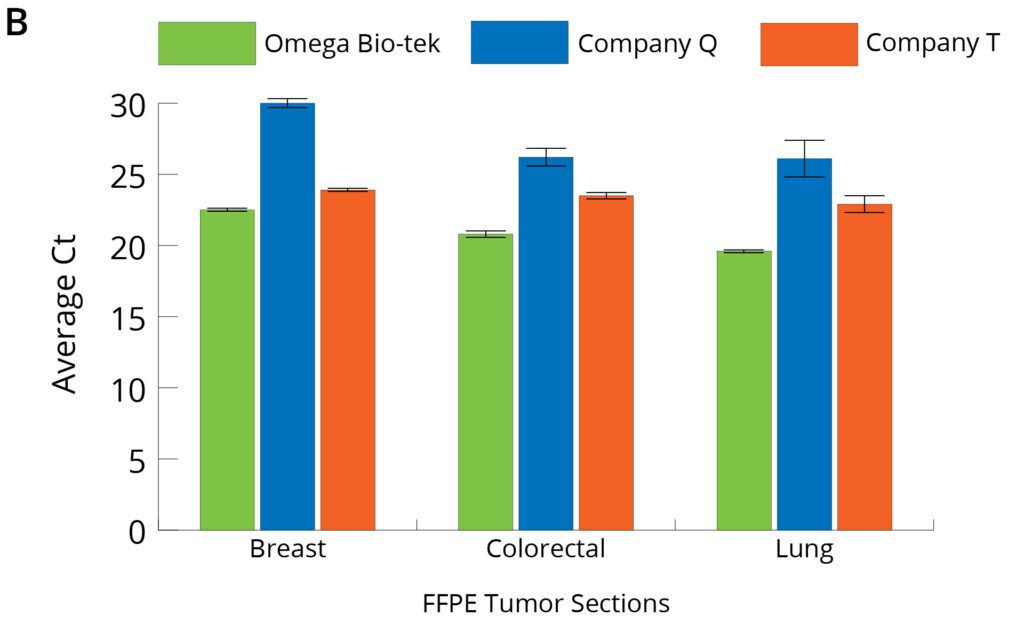
Figure 4. Average Ct values obtained on 10X dilutions of DNA (A) and RNA (B) purified from 3 × 10 μm sections of FFPE tumor tissue (n=5). Ct values were comparable for DNA extracted using all three kits. Ct values for 10-fold dilutions of RNA extracted using Omega Bio-tek’s kit were significantly lower than those of Company Q’s and Company T’s corroborating higher RNA yields obtained using Omega Bio-tek’s Mag-Bind FFPE DNA/RNA 96 kit.
FFPE vs Fresh Frozen (FF) Colorectal Tumor Tissue - ΔCt relative to FF
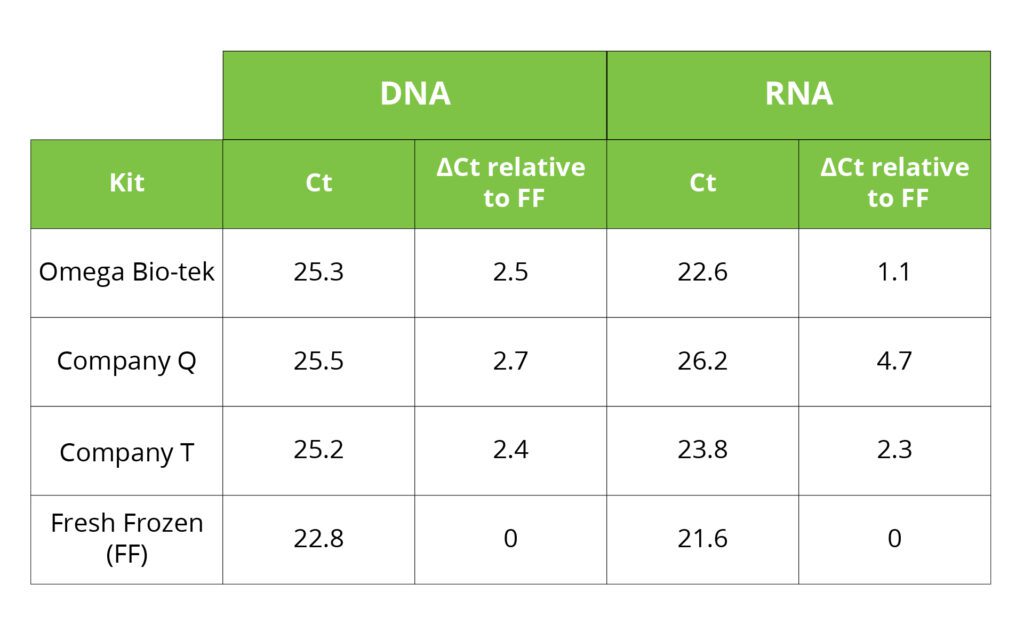
Table 2. Ct values of DNA extracted from colorectal FFPE tumor sample to its matching fresh-frozen (FF) tissue sample at equal mass input using kits from different manufacturers. ΔCt for Omega Bio-tek’s extraction, especially for RNA, are closer to theoretical 0 indicating equal expression in FFPE compared to FF, hence a better representative of FF sample. ΔCt values for DNA are comparable for all the kits tested.
DNA Sequencing Metrics
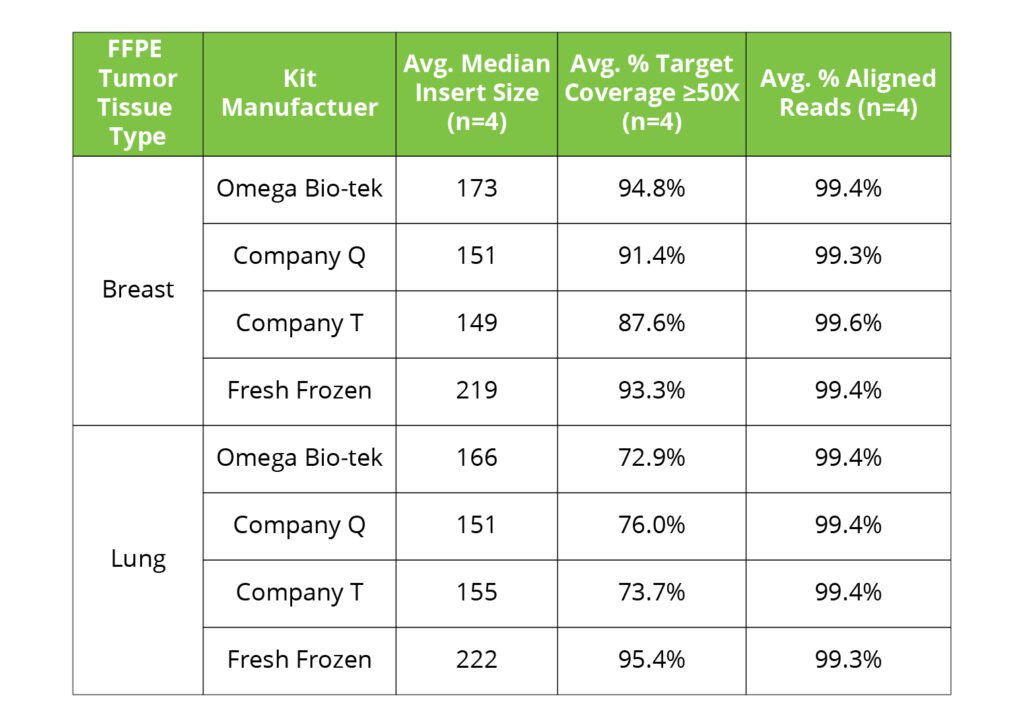
Table 3. Sequencing metrics indicate average median size and target coverage % for Omega Bio-tek’s kit are closer to fresh frozen tissue than other two competitor kits. The average percentage of aligned reads is comparable for all the kits tested.
RNA Sequencing Metrics
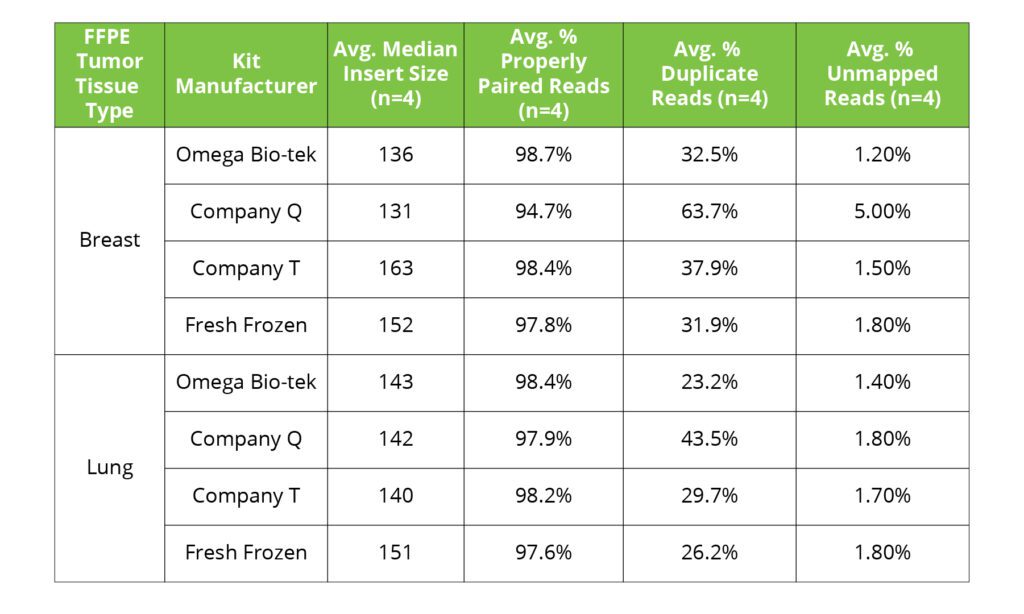
Table 4. Sequencing metrics indicate comparability between all tested kits. However, Company Q had nearly 2x higher duplicate rate which may result in loss of depth.
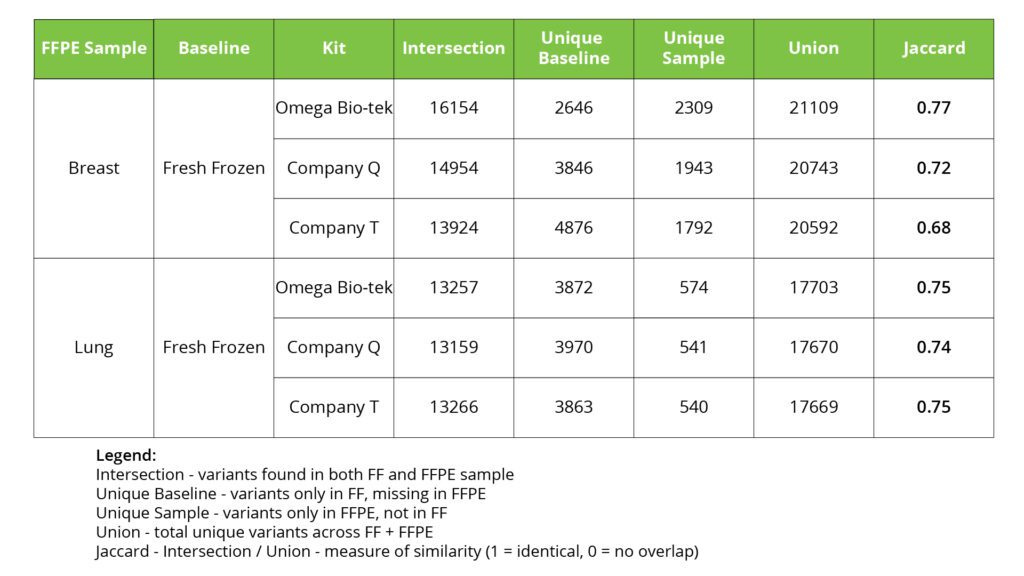
Concordance Analysis of Variant Calling for FFPE Samples Relative to Fresh Frozen
Table 5. Concordance analysis using the Jaccard Coefficient showed that Omega Bio-tek’s kit achieved the highest similarity in variant calls between FFPE and Fresh Frozen (FF) breast tumor samples (Jaccard = 0.77), indicating closer resemblance to FF sample. For lung tumor tissue, Jaccard co-efficient was comparable across all the three kits tested.
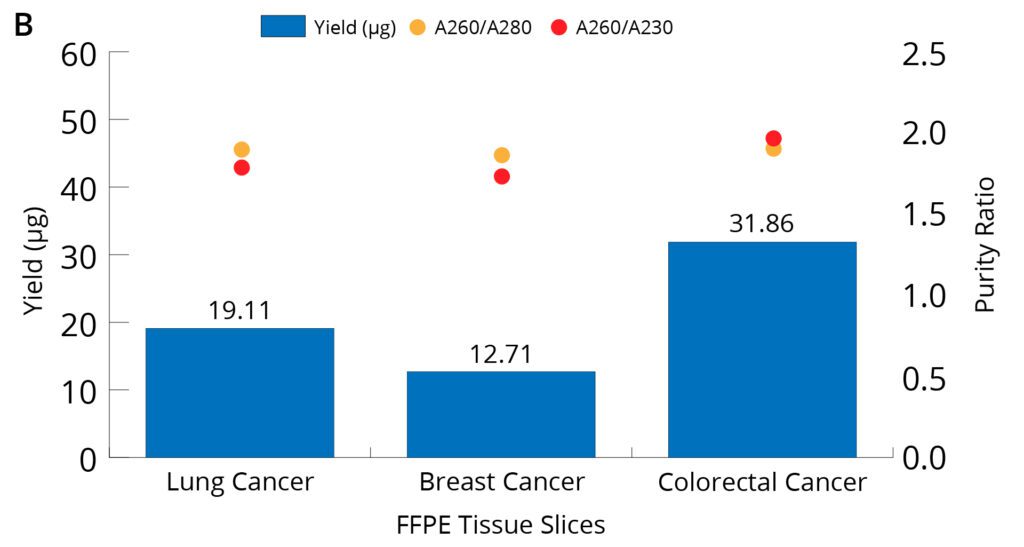
Automated Sequential Isolation of Genomic DNA and RNA from the Same FFPE Sample
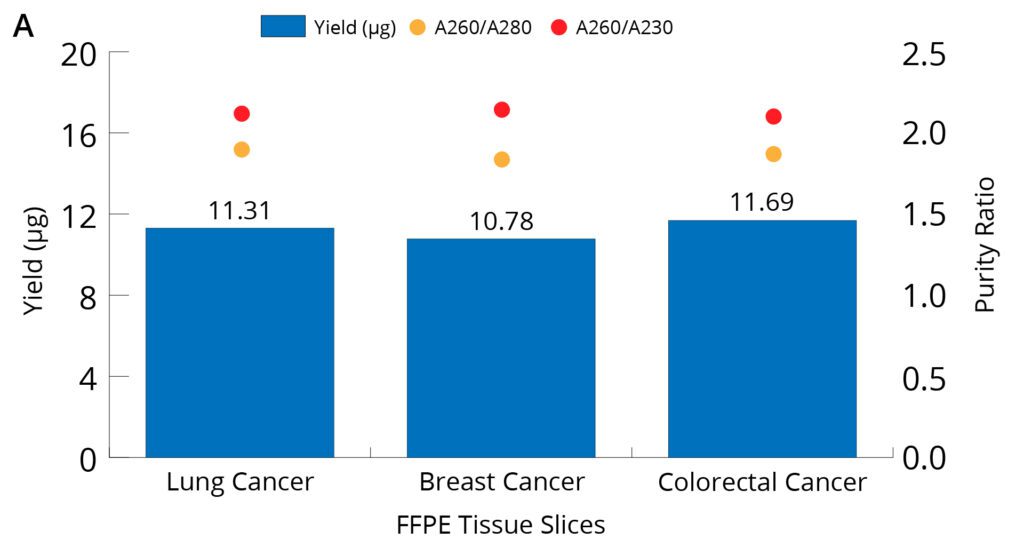
Figure 5. Genomic DNA (A) and RNA (B) were sequentially isolated from 3 x 10 µm slices of FFPE tumor tissue samples (n=3) using the Mag-Bind® FFPE DNA/RNA 96 Kit on the KingFisher Flex. Purified DNA and RNA were quantified using Thermo Scientific’s NanoDrop 2000c system.
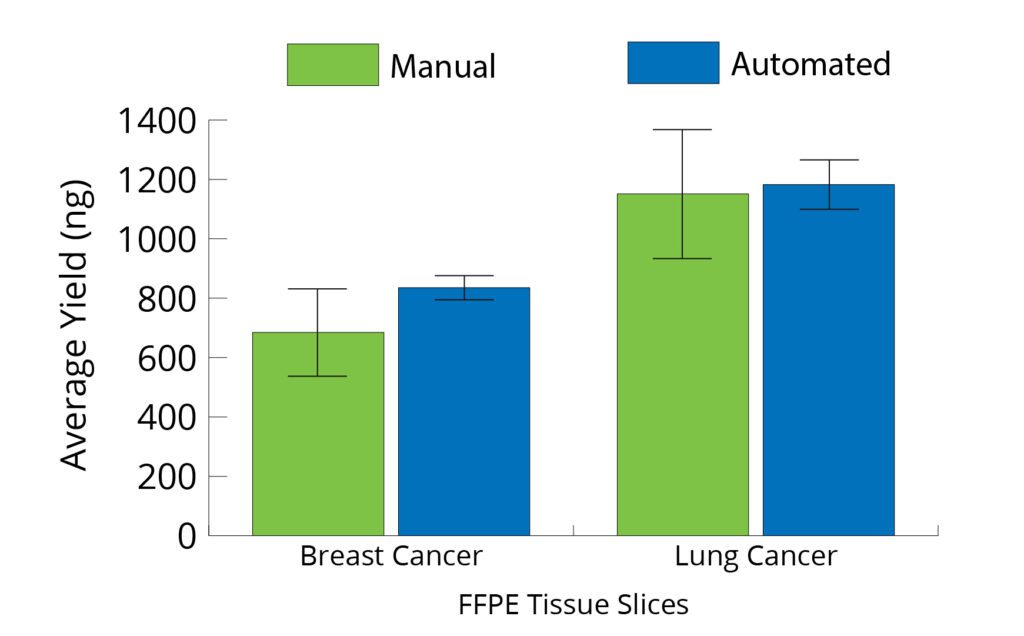
Comparable DNA Yield Regardless of Extraction Method
Figure 6. Genomic DNA was isolated from 10 µm slices of FFPE tumor tissue samples using the Mag-Bind® FFPE DNA/RNA 96 Kit both manually (n=3), following manufacturer’s instructions, and automated (n=4) on the Dynamic Devices Lynx system. DNA yield was determined by PicoGreen® quantification. The average DNA yield was found to be comparable between extraction methods.
Product Information
Product Information
Safety Data Sheets
Shopping Cart
Scroll to Top
We use cookies to ensure that we give you the best experience on our website. If you continue to use this site we will assume that you are happy with it.